AI & software
On-Prem RAG: Choosing the Right Vector Database in India
Unlock powerful RAG with Corp8 AI! Learn how to choose the best vector database for your on-prem AI setup in India. Optimize performance & compliance.
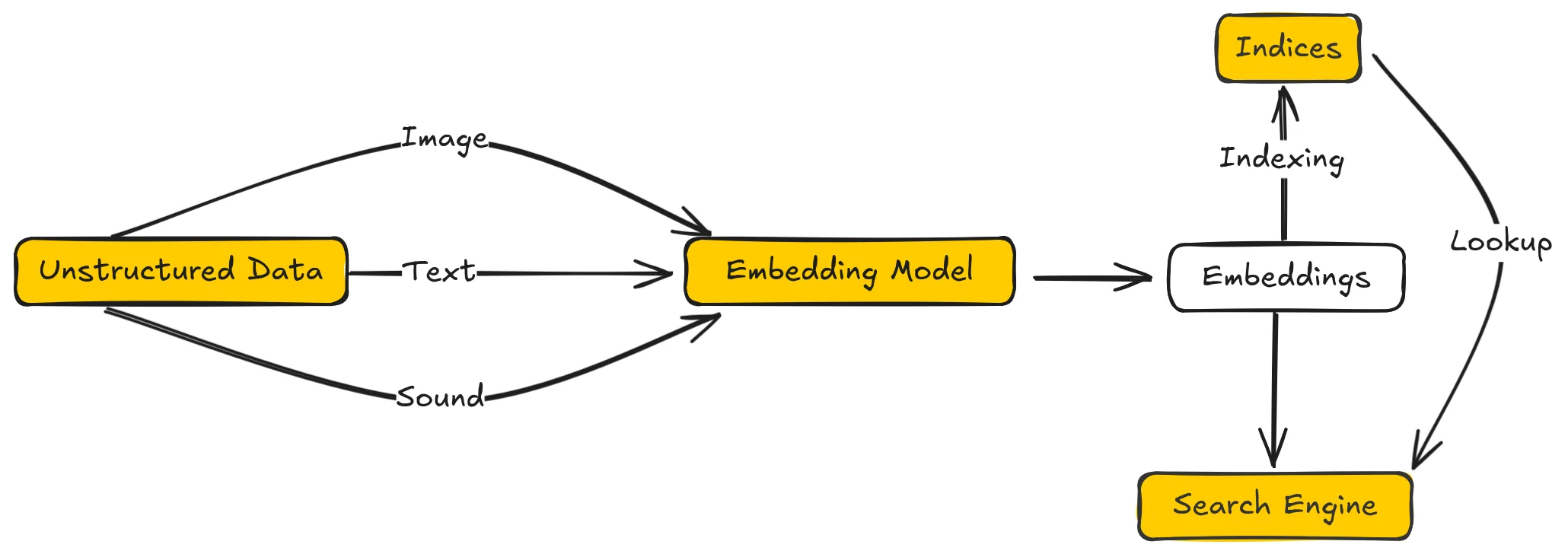
Building AI solutions in India’s regulated industries demands a fundamental shift. Traditional cloud-based approaches simply don’t cut it when data sovereignty, security, and performance are paramount. We’re tackling this head-on with a focus on vector databases and Retrieval Augmented Generation (RAG) – and this is how you build it right.
Why On-Prem RAG is Crucial for India’s Regulated Industries
Let’s be blunt: India’s finance, healthcare, and other regulated sectors operate under incredibly strict rules. Meeting data residency requirements isn’t a suggestion; it’s the law. That’s where on-prem RAG – Retrieval Augmented Generation – comes in. It offers critical advantages:
- Increased Data Sovereignty: Meet stringent data residency requirements in India’s regulated sectors (finance, healthcare, etc.).
- Reduced Latency: Eliminate reliance on external APIs for faster, more reliable RAG performance – critical for real-time applications.
- Enhanced Security & Compliance: Maintain complete control over your data and ensure adherence to local regulations.
- Cost Optimization: Predictable costs compared to cloud-based solutions, particularly for high-volume usage.
Understanding Vector Databases – The Foundation of RAG
At its core, a vector database is what makes RAG possible. It’s a database specifically designed to store and efficiently search through vector embeddings – mathematical representations of your data. Let's break it down:
- Vector Embeddings: How they represent your data for efficient similarity search. Think of it as converting text, images, or audio into numerical vectors that capture their meaning.
- Indexing Strategies: Different methods for optimizing query speed and scalability.
- Scalability Considerations: Choosing a database that grows with your data and user base in India.
- Key Metrics: Latency, throughput, and memory usage – what to track for optimal performance.
Top Vector Database Options for Self-Hosted RAG in India
You have choices. Here’s a quick look at leading contenders for self-hosted RAG deployments in India:
| Database | Key Features | Suitability for India |
|---|---|---|
| Pinecone | Speed, ease of use, popular choice | Good for smaller datasets, rapid prototyping |
| Weaviate | Open-source, flexible, complex data models | Excellent for evolving data structures |
| Milvus | High-performance, cloud-native | Suitable for large-scale deployments, but requires more operational overhead |
| Qdrant | Production-readiness, filtering, metadata support | Strong choice for robust, feature-rich RAG systems |
Considerations for India: Support for local languages (e.g., Hindi, Tamil) and data residency are non-negotiable. We’re at Corp8 AI and focusing on solutions that meet these needs.
Key Features to Evaluate – Beyond Speed
Speed is important, but it’s not everything. Here’s what to look for beyond raw query performance:
- Metadata Filtering: Quickly narrow down search results based on relevant attributes.
- Scalability Testing: Simulate real-world load to assess performance under pressure.
- Query Performance Benchmarks: Compare results across different databases using your specific data.
- Community Support & Documentation: Crucial for troubleshooting and ongoing development in India’s tech ecosystem.
- Integration Capabilities: How easily does the database integrate with your existing tech stack?
Setting Up Your Self-Hosted RAG Pipeline – A Practical Guide
Let’s get practical. Building an on-prem RAG pipeline involves these steps:
- Data Preparation: Cleaning and transforming your data into suitable vector embeddings.
- Database Configuration: Initial setup, indexing, and performance tuning.
- API Integration: Connecting your RAG application to the vector database.
- Monitoring & Maintenance: Tracking performance, scaling resources, and addressing potential issues.
Future Trends in Vector Databases for India’s AI Landscape
The field is moving fast. Expect to see:
- Graph Databases Integration: Combining vector search with graph data for richer relationships.
- Serverless Vector Databases: Simplifying deployment and scaling.
- Edge Computing: Bringing vector search closer to the data source for ultra-low latency.
If you’re building in regulated AI, I would love to talk – reach me via /contact.
Frequently Asked Questions
What is RAG and why is it important for businesses in India?
RAG (Retrieval Augmented Generation) combines the power of large language models with the ability to retrieve relevant information from your own data. This is crucial in India for industries with strict data governance needs, ensuring accuracy and compliance while leveraging the latest AI technology.
How does choosing a vector database affect the performance of my on-prem RAG system?
The vector database is the engine of your RAG system. Different databases offer varying speeds, scalability, and indexing methods, directly impacting query latency and overall RAG performance. Careful selection is key.
What are the key data residency considerations when choosing a vector database for India?
Data residency is paramount. When selecting a vector database, ensure it supports storing and processing data within India, complying with regulations like the Digital Personal Data Protection Act, 2023, and offering robust security controls.
Written by Niraj Ojha
Niraj Ojha is a multidisciplinary engineer, founder, and product builder working across electronics, automotive engineering, manufacturing, software, and AI.
More writing
GPT-5.6 and ChatGPT Work for Business Automation in India
AI automation for business is moving from chat interfaces to agents that can execute work across tools, documents, and teams.
How ChatGPT Work and GPT-5.6 Signal the Next Wave of AI Agents for Business Workflows
ChatGPT Work and GPT-5.6 point to a bigger shift: AI agents for business that can search, draft, route, and follow up inside real workflows.
Meta’s WhatsApp Business Agent: AI Automation in India
Meta’s WhatsApp Business Agent is pushing AI automation for business into the channel Indian customers already use every day. For SMEs in Ahmedabad and Gujarat…